
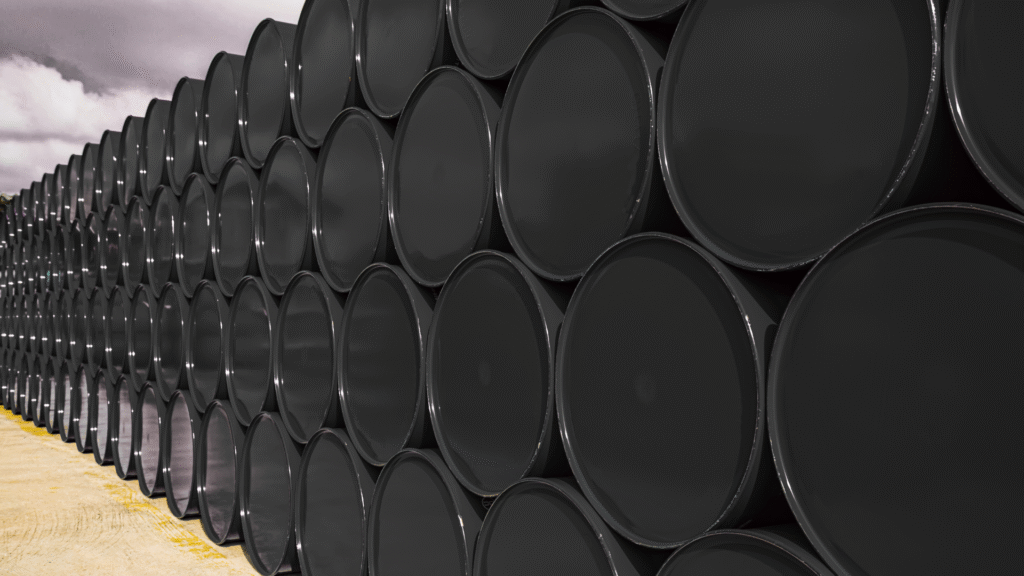
Application of Bitumen
Bitumen is a thick, black, and sticky material widely used in construction and industrial applications. It is a hydrocarbon compound derived mainly from crude oil and is completely soluble in carbon sulfide and carbon tetrachloride. Bitumen typically contains about 87% carbon, 11% hydrogen, and 2% oxygen.
Pitch, a by-product of crude oil refining, is a dense hydrocarbon made of oil, resin, and 5–30% asphalt, which gives it hardness. At room temperature, bitumen is solid, but when heated, it becomes soft and eventually turns into a liquid — making it ideal for industrial use.
Main Applications of Bitumen
Bitumen plays a vital role in modern infrastructure and waterproofing solutions. Some of its key applications include:
- Road construction and paving – Used in asphalting streets, highways, and airport runways.
- Roof insulation and waterproofing – Protects buildings from water leakage and weathering.
- Surface coating and sealing – Used for coating pipelines, bridges, and metal structures.
- Cold mixture and surface dressing – For low-temperature road maintenance and sealing.
- Dust control and soil stabilization – Reduces erosion and strengthens weak soil.
- Reinforced coating and industrial protection – Enhances durability of metal and concrete surfaces.
Because of its impermeability, waterproofing ability, and flexibility, bitumen remains one of the most reliable construction materials even in extreme weather conditions.
Types of Bitumen and Their Uses
1. Natural Bitumen
Found in nature near oil lakes or within rocks. It forms over millions of years through the evaporation of lighter components in crude oil. Known for its durability, it is often used in waterproofing and heavy-duty road applications.
2. Petroleum Bitumen
Produced by refining crude oil. It results from the distillation process after separating lighter fractions like diesel and kerosene.
- Bitumen 60/70: Commonly used for road construction and hot asphalt mixes.
- VG-30 Bitumen: A semi-hard grade used for heavy-traffic roads and highways.
3. Tar Bitumen
Similar to petroleum asphalt but derived from coal tar. It’s used in carbon electrodes, waterproof coatings, and protective layers, though less common now due to environmental concerns.
4. Blown Bitumen
Made by blowing hot air through pure bitumen at 200–300°C. It has lower penetration, higher softening point, and is less temperature-sensitive. Commonly used in roofing sheets, waterproofing, and battery sealing.
5. Bituminous Mixtures
Created by mixing bitumen with kerosene or gasoline to form a liquid that can be applied at room temperature. Ideal for road coatings and macadam applications.
6. Trinidad Pitch
A natural form of bitumen found in Trinidad Lake. It contains some impurities but is highly durable after purification and widely used in special coatings.
7. Bitumen Emulsion
A blend of bitumen, water, and an emulsifying agent. Used in cold asphalt applications and road construction in humid conditions. Since it doesn’t require heating or solvents, it’s safer and more eco-friendly.
Why Bitumen is Still Essential
Bitumen’s combination of strength, flexibility, waterproofing, and durability has made it indispensable for construction projects worldwide. From roads and runways to roofing and industrial coatings, its ability to withstand heat, water, and pressure makes it a key material in both modern and traditional infrastructure.