
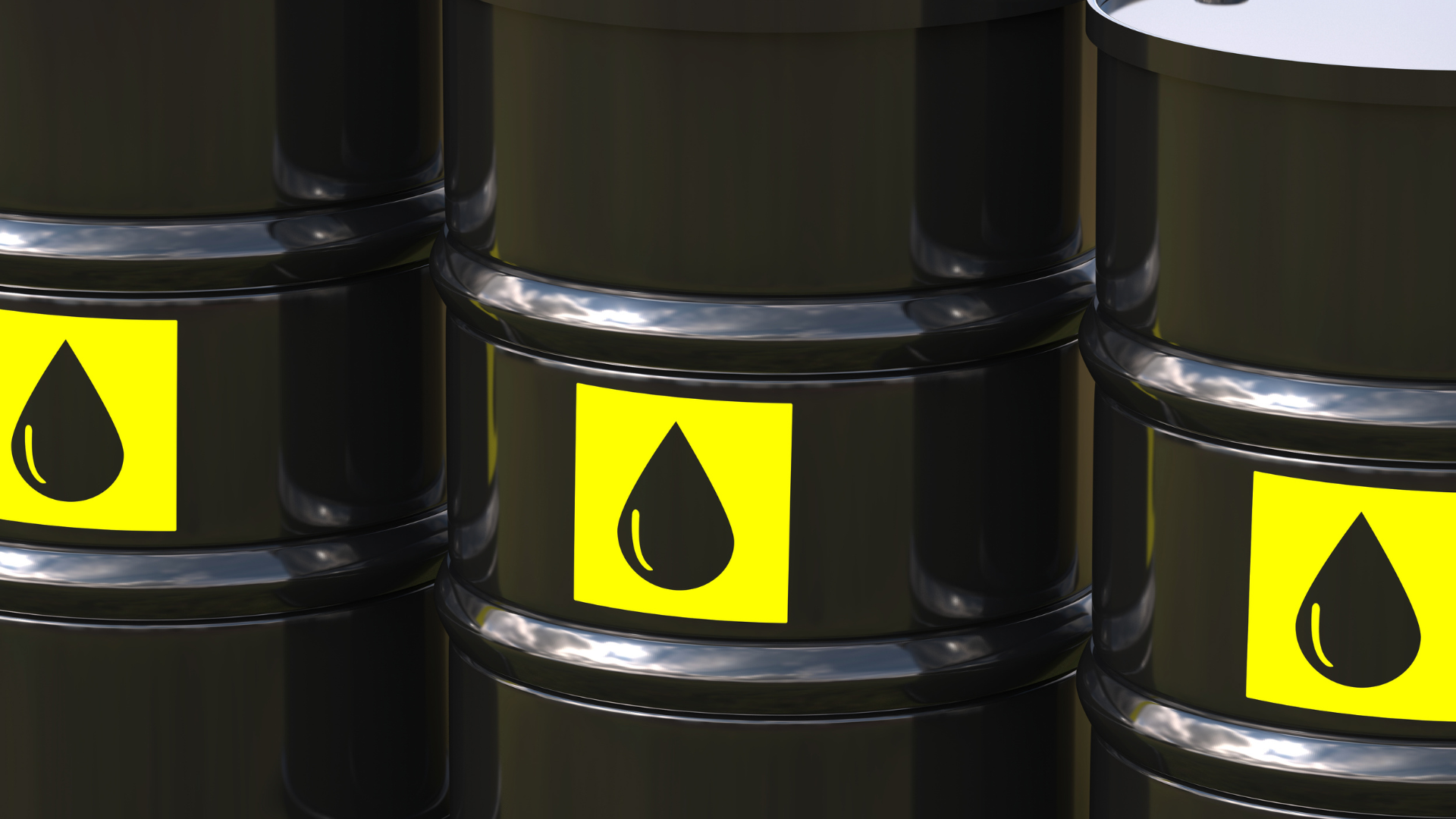
Bitumen is a dense, black, and sticky material that plays a vital role in construction and insulation industries, especially in road development and waterproofing. In this article, we explore the history, production, maintenance, and investment potential of bitumen — one of the most valuable petroleum products in the modern world.
A Brief History of Bitumen
Bitumen has been recognized as a valuable material for over 3,800 years. Ancient civilizations used it for waterproofing, sealing ships, and insulation. Historical evidence shows that people used bitumen to prevent water penetration in boats, connect structures, and even store water safely.
Today, bitumen remains a crucial component in infrastructure and industrial applications — proof of its long-standing reliability and versatility.
Bitumen Production Process
Bitumen is derived from crude oil, a natural hydrocarbon formed from decayed plants and marine organisms over millions of years. The production process begins with distillation, where crude oil is separated into different components based on their boiling points inside distillation towers.
During this process, petroleum products such as gasoline, diesel, and kerosene are produced — and bitumen remains as the heaviest fraction. Bitumen production can be carried out through continuous or batch processes, depending on industrial needs.
Bitumen Maintenance and Storage
Proper storage and maintenance of bitumen are critical for preserving its quality and properties.
- Bitumen should be stored at low temperatures and handled with care.
- For normal operations, maintain the temperature 10–50°C above its pumping temperature.
- The maximum safe storage temperature is 230°C — it should never be exceeded.
- For long-term storage (more than a week), the temperature should be 20–25°C above the softening point.
- Avoid continuous circulation and reheating whenever possible.
When stored correctly, bitumen can remain stable and usable for extended periods without losing its essential characteristics.
Types of Bitumen
Bitumen comes in several grades depending on production methods and performance requirements. Two of the most widely used types are:
- Bitumen 60/70 – Produced from vacuum bottom distillation. It has a penetration grade between 60 and 70.
- Bitumen VG-30 – Produced through the aeration of vacuum bottom residue.
Both types are extensively used in road construction, paving, and insulation — particularly in hot climates. Around 90% of global bitumen is used for road construction, while the remaining 10% is utilized for waterproofing and industrial applications.
Storage Recommendations:
- Store bitumen in clean, covered areas away from moisture and direct sunlight.
- Ensure proper ventilation in storage facilities.
- Keep storage areas away from flammable materials and gases.
Bitumen Market Overview
The global bitumen market faces a few challenges, including:
- Unfair competition among producers.
- Subsidized bitumen distribution to certain sectors.
- Inconsistent quality control by smaller manufacturers.
- Undervaluation of bitumen in international trade.
Market experts recommend eliminating subsidies and implementing transparent exchange mechanisms to stabilize both domestic and global pricing. The price of bitumen also fluctuates depending on daily crude oil and currency rates.
Investment in Bitumen
Investing in bitumen can be a highly profitable venture if approached strategically. Success depends on having a clear investment plan, market understanding, and expert guidance.
Before investing, consider:
- Understanding how to buy, sell, and export bitumen.
- Knowing your risk tolerance and investment goals.
- Consulting with industrial experts and financial advisors.
- Using scientific research and market data to guide decisions.
At PetroShell Global, we encourage investors to align their strategies with professional consultancy to ensure long-term success. Investment in bitumen is not just a business move — it’s a contribution to the global infrastructure and energy development sectors.
Conclusion
Bitumen remains one of the most essential and valuable products in the petroleum industry. From ancient waterproofing to modern road construction, its versatility continues to drive industrial growth.
At PetroShell Global, we are committed to producing and supplying high-quality bitumen, maintaining global standards, and offering reliable investment opportunities.